Energy
Brent Rises Toward $93 as Iran Rules Out Sending Enriched Uranium Abroad, Dimming Hopes for Quick De-escalation
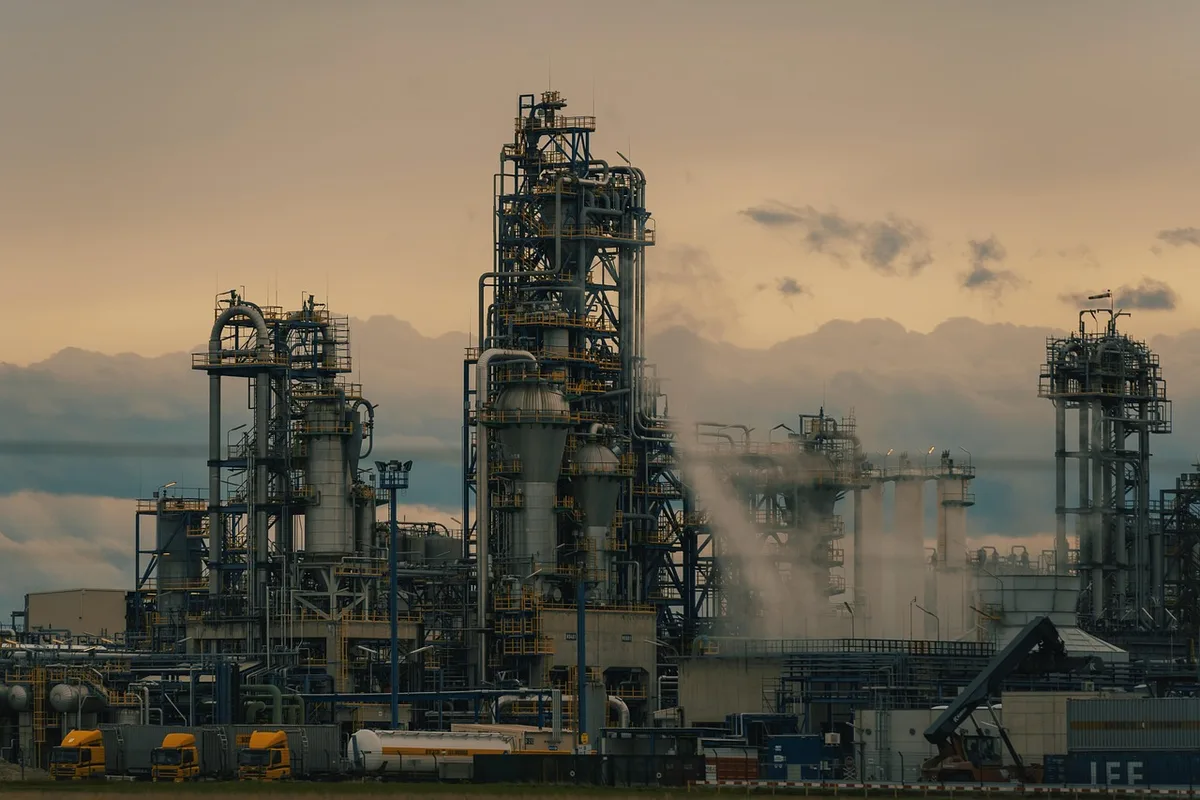
Image: Michael_Pointner via Pixabay
Oil recovered from a two-month low after Tehran's security chief denied talks are under way, though crude is still down about 21% this month.
By Noris Ortiz ·
Oil prices rose on Wednesday, Nov. 11, after a senior Iranian official said Tehran will not allow enriched nuclear material to leave the country, undercutting hopes that the war involving Iran could wind down quickly, Reuters reported [1].
As of 14:12 GMT, or 9:12 a.m. ET, Brent crude was up $1.22, or 1.3%, at $92.71 a barrel, and U.S. West Texas Intermediate was up $1.09, or 1.3%, at $87.13, Reuters said [1]. Prices had fallen by more than $3 a barrel earlier in the week after U.S. officials downplayed the need for more strikes on Iran, then recovered part of those losses [1]. Even so, Brent is down about 21% and WTI about 17% so far in November, on hopes of ending the conflict [1].
The trigger was an interview with Mohsen Rezaei, Iran's security chief and an adviser to the supreme leader, on Lebanon's Al Mayadeen TV. Reuters reported that he said Iran needs the enriched material for nuclear-powered ships and submarines, that Tehran told Moscow the stockpile would stay in Iran, and that "we will use it ourselves" [2]. RFE/RL quoted him as saying Iran "will not remove a single atom of enriched nuclear material" [3]. He also said no negotiations are taking place with Washington, and RFE/RL reported that he dismissed reports of a recent meeting in Qatar as falsehoods meant to lower oil prices [2][3].
The positions on each side remain far apart. Washington says nuclear issues must be part of any initial negotiations to end the war, Reuters reported [1]. Russia has offered to remove Iran's uranium as part of a possible deal but says the decision belongs to Tehran [2]. A senior Iranian official told Reuters last week that Iran sent a nuclear proposal to the United States via Qatar and will discuss it only after Washington meets seven demands [2]. RFE/RL said Iran's conditions for reopening the Strait of Hormuz include sanctions relief, access to frozen funds and an end to the U.S. naval blockade, while President Donald Trump said on Nov. 9 that the war was effectively over militarily and Secretary of State Marco Rubio said economic pressure would likely continue [3]. Iran denies seeking nuclear weapons, a claim Israel, the United States and other Western countries dispute, Reuters said [2].
The size of the stockpile is itself uncertain. The International Atomic Energy Agency estimated Iran had 440.9 kilograms of uranium enriched to 60% before the June 2025 strikes on its nuclear facilities, and it is unclear how much survived [2].
Analysts tied the price move to diplomacy. UBS's Giovanni Staunovo said "Oil prices are being supported by fading hopes of an imminent de-escalation" [1]. June Goh of Sparta Commodities said vessel attacks in the Gulf have increased amid the uncertainty and that whether Iran engages with U.S. demands is the key market driver [1]. Shipping risks are visible in the data: 37 ships were attacked in October, the highest monthly total since the war began, according to Washington Institute for Near East Policy figures cited by Reuters, and the UKMTO reported a tanker struck near Oman on Tuesday [1].
Supply signals are mixed. Reuters said Middle East crude and condensate outages have fallen to about 3.8 million barrels per day, according to Kpler, with Saudi and Iraqi output back to pre-war levels, while American Petroleum Institute data showed U.S. crude stocks up 9 million barrels last week, with official government data due later Wednesday [1]. Russian refining capacity is down about 30% since late October because of Ukrainian drone attacks, Reuters added [1].
What to watch: the official U.S. inventory report, any sign that talks between Washington and Tehran begin, further attacks on shipping in the Gulf, and whether Brent holds above its recent two-month low. Lower oil prices have also been a relief for inflation-sensitive markets, so a renewed climb could matter for central banks as well as energy traders.
Sources:
[1] Reuters (via AOL), "Oil up 1% after Iran says no nuclear material will leave the country", November 11, 2026. https://www.aol.com/articles/oil-rises-two-month-low-020102000.html
[2] Reuters (via Yahoo News), "Iran will not allow enriched nuclear material to leave the country, security chief says", November 11, 2026. https://www.yahoo.com/news/articles/iran-not-allow-enriched-nuclear-102614440.html
[3] RFE/RL, "Iranian Security Chief Insists Enriched Uranium Won't Leave Country", November 11, 2026. https://www.rferl.org/a/iran-enriched-uranium-transfer-russia-us-war/33895253.html
This article was produced with AI assistance. It is for informational purposes only and is not financial advice. StockVolt and its authors may hold positions in securities mentioned.