Markets
Chip Stocks Pull the Nasdaq Lower as Nvidia Gives Back Part of Its 31% Surge and Traders Price a December Fed Hike
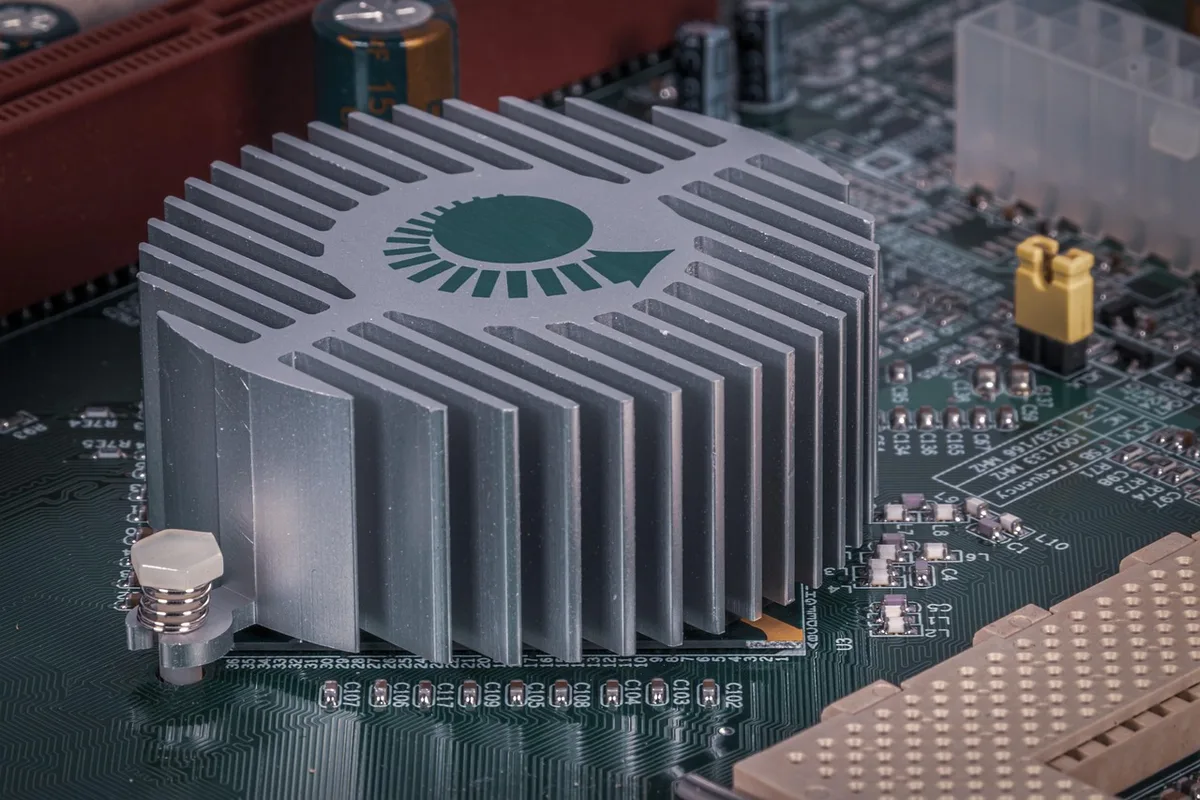
Image: analogicus via Pixabay
The Dow edged higher in early trading Tuesday while the Philadelphia Semiconductor index fell 5.8% a day after gaining more than 14%.
By Emma Cruz ·
US stocks gave back part of Monday's surge on Tuesday as semiconductor shares retreated, pulling the Nasdaq Composite and the S&P 500 lower while the Dow Jones Industrial Average edged higher. At 9:54 a.m. ET, the Dow was up 202.05 points, or 0.41%, at 49,797.36, the S&P 500 was down 33.90 points, or 0.47%, at 7,203.27, and the Nasdaq was down 291.32 points, or 1.21%, at 23,798.24, Reuters reported [1].
Nvidia, the centerpiece of Monday's rally, fell 5.8% in morning trading after surging 31.5% in the previous session, a jump that added nearly $1 trillion to its market value, according to Reuters [1]. The Philadelphia Semiconductor index dropped 5.8% after gaining more than 14% on Monday, and the technology sector of the S&P 500 fell 2.4% [1]. The size of the swings in both directions shows how heavily the market's direction has leaned on a handful of chip and artificial intelligence names this week.
The pullback reached well beyond Nvidia. Yahoo Finance reported ahead of the open that Taiwan Semiconductor and ASML each fell roughly 2%, Arm was down 4%, and Micron and SK Hynix dropped more than 4%. It added that data-storage companies SanDisk, Seagate and Western Digital each fell at least 5% [2]. In the Reuters account, AI-linked infrastructure companies also slid, with CoreWeave down 6.9%, Nebius down 7.3% and IREN down 9% [1].
Company news produced some sharp moves elsewhere in the market. Hewlett Packard Enterprise shares fell 14%, while Dollar Tree gained 10.1%, Reuters said [1]. Those moves help explain why the Dow, which carries less weight in semiconductors than the Nasdaq, held up better than the other major indexes in the morning.
Interest rates remained part of the backdrop. According to Reuters, money markets were fully pricing in a 25-basis-point Federal Reserve rate hike next month and saw a slim chance of a 50-basis-point move, up from no chance a day earlier, based on CME Group's FedWatch tool [1]. Expectations of higher borrowing costs can weigh on the valuations of fast-growing technology companies, whose projected profits sit further in the future, which is one reason chip stocks can be sensitive to shifts in rate pricing.
Some investors were also questioning how much of Monday's rebound could last. Robert Pavlik, a senior portfolio manager at Dakota Wealth, told Reuters the leadership development at Nvidia "just maybe solves the near-term question of who's going to run Nvidia," while in his view leaving other questions unanswered [1].
For the rest of the session, traders will be watching whether the semiconductor index stabilizes after its sharp two-day swing, whether rate-hike pricing moves further, and whether the Dow's relative strength holds as the Nasdaq works through the pullback. Prices and moves cited here were reported in morning trading and may have changed since.
Sources:
[1] Reuters (via Investing.com), "Nasdaq, S&P 500 ease as Nvidia-driven AI rally fizzles", November 24, 2026. https://www.investing.com/news/economy-news/wall-st-futures-dip-as-chip-stocks-cool-after-nvidiafueled-rally-5047567
[2] Yahoo Finance, "Nvidia, AMD, Broadcom lead chip stocks lower as AI trade comes under pressure", November 24, 2026. https://finance.yahoo.com/markets/article/nvidia-amd-broadcom-lead-chip-stocks-lower-as-ai-trade-comes-under-pressure-141635463.html
This article was produced with AI assistance. It is for informational purposes only and is not financial advice. StockVolt and its authors may hold positions in securities mentioned.