Energy
Oil Rebounds After Reported US Strike on Iran's Qeshm Island, Then Pares Gains as Diplomacy Holds
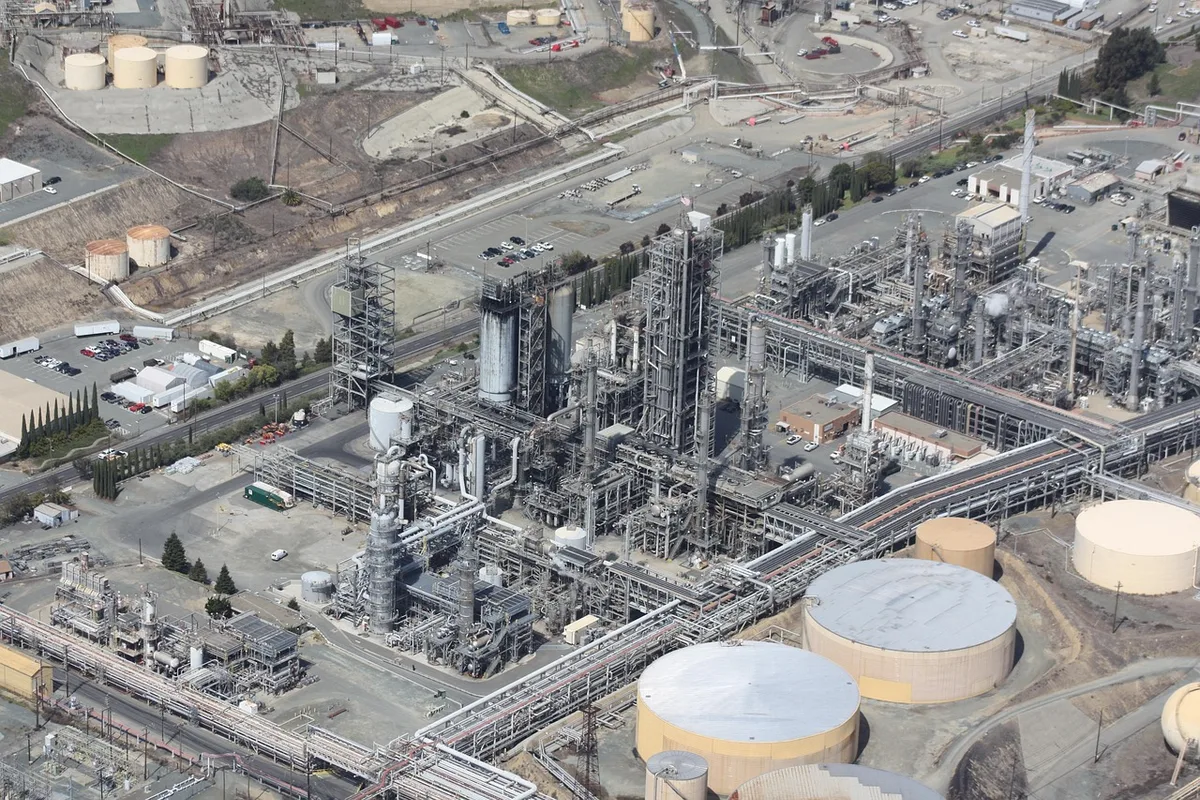
Image: jpenrose via Pixabay
Brent briefly rose above $107 before slipping back near $103 as Washington signaled the strikes were limited and talks continue.
By Emmanuel Cruz ·
Oil prices swung higher on Tuesday and then gave back much of the move after reports that U.S. forces struck targets on Iran's Qeshm Island, an incident that tested the fragile diplomatic opening that had sent crude sharply lower a day earlier. Brent rose about 2% to $106.50 early in the day, and by mid-morning in New York it was down 1.7% at about $103, according to the Associated Press [1].
The rebound followed a steep drop. Both benchmarks fell more than 7% on Monday, with Brent settling at $104.77 and U.S. crude at $96.46, The National reported [2]. The AP put the declines at nearly 8% and 8% respectively, and said U.S. benchmark crude rose about 2% to $98.49 early Tuesday [1]. Oil had touched a six-month high at the end of October, according to The National [2].
Iranian state media reported several explosions on Qeshm Island, which sits at the mouth of the Strait of Hormuz, and in the port city of Bandar Lengeh late Monday, Al Jazeera reported [3]. U.S. outlets including the Wall Street Journal, the AP and Axios reported that the American military carried out the strikes, according to Al Jazeera [3]. Unnamed U.S. officials described them as defensive, aimed at Iranian surface-to-air missile capability that could threaten shipping, and one official told the Journal the operation was kept quiet to avoid signaling a return to major combat [3]. Al Jazeera said there was no immediate official comment from Iranian or U.S. authorities [3].
Both sides continued to talk about negotiation. Iran's Foreign Ministry spokesperson Esmaeil Baghaei said Tehran's demands had been conveyed and that "the ball is in the US court" [3]. He said Iran's plan to reopen Hormuz could be carried out within two days if Washington lifts its naval blockade of Iranian ports and ends hostilities [3]. On the American side, Vice President JD Vance said there had been several good conversations with Iran and that he and President Donald Trump were optimistic about a negotiated settlement, and Trump said he would not strike Iran after Tuesday's midterm elections, according to Al Jazeera [3]. The AP, as relayed by Al Jazeera, also reported that Israeli Prime Minister Benjamin Netanyahu is pressing for another round of strikes after the U.S. vote [3].
Analysts quoted by The National described a market caught between the two outcomes. Daniel Richards of Emirates NBD said the overnight strikes renewed uncertainty and made the diplomatic opening more fragile [2]. Ipek Ozkardeskaya of Swissquote said elections alone cannot reopen shipping routes or repair damaged infrastructure, and framed the downside for crude as credible de-escalation followed by improving flows, with the upside being renewed disruption while inventories keep absorbing the shortfall [2].
The stakes for energy markets are large. Before the conflict began in late February, the strait carried about a fifth of the world's crude oil and natural gas supplies, The National noted [2]. That is why prices have reacted so quickly to each headline: even a limited strike can briefly reverse a diplomatic narrative that the market had been trading on.
For the rest of the week, traders will watch whether the strikes remain isolated, whether Iran responds, and whether the end of the U.S. midterm vote changes the pace of negotiations. The AP noted that energy prices remain highly sensitive to uncertainty about when the war ends [1]. Any confirmation of a Hormuz reopening plan, or any new incident involving commercial vessels, would be likely to move crude again.
Sources:
[1] The Associated Press via CP24, "U.S. stocks drift in mixed early trading on Wall Street as Apple falls", November 3, 2026. https://www.cp24.com/news/money/2026/11/03/us-futures-in-a-holding-pattern-ahead-of-midterm-elections-though-oil-rebounds-after-us-attacks-iran/
[2] The National, "Oil prices cross $105 after US strikes on Iran's Qeshm Island", November 3, 2026. https://www.thenationalnews.com/business/energy/2026/11/03/oil-prices-cross-105-after-us-strikes-on-irans-qeshm-island/
[3] Al Jazeera, "Explosions hit Iran's Qeshm Island as US media report US strikes in Hormuz", November 3, 2026. https://www.aljazeera.com/news/2026/11/3/explosions-hit-irans-qeshm-island-as-us-media-report-us-strikes-in-hormuz
This article was produced with AI assistance. It is for informational purposes only and is not financial advice. StockVolt and its authors may hold positions in securities mentioned.