Energy
OPEC+ Holds December Oil Output Targets Steady as Tougher 2027 Quota Decision Looms
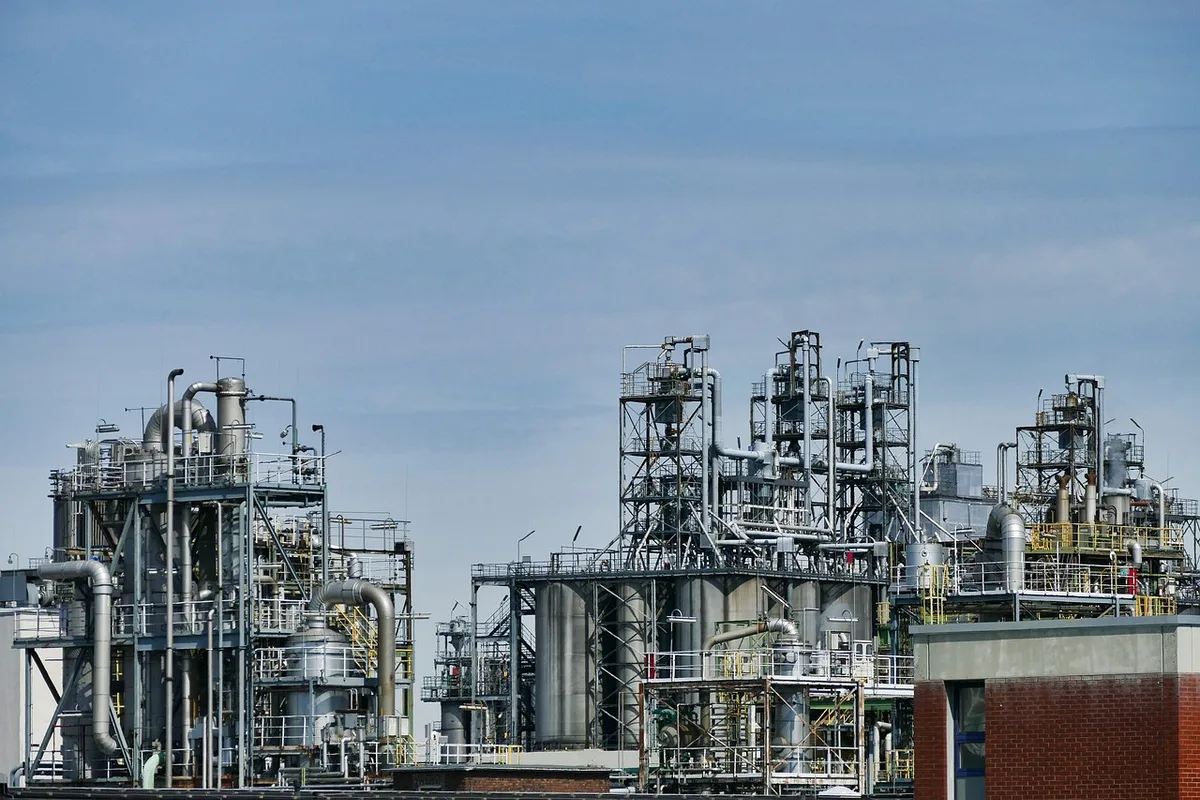
Image: SatyaPrem via Pixabay
Seven core producers kept quotas at September levels on Sunday, setting up a November 29 meeting expected to fix 2027 baselines.
By Noris Ortiz ·
Seven core members of the OPEC+ producer group agreed on Sunday to leave their oil production targets unchanged for December, a widely expected outcome that pushes the harder decisions about next year's supply to a meeting at the end of November [1][2]. The decision comes as the war involving Iran continues to disrupt exports from the Gulf and as oil prices sit near their highest levels since the spring [1][2].
Saudi Arabia, Russia, Iraq, Kuwait, Algeria, Kazakhstan and Oman made the call in an online meeting, according to an OPEC statement cited by Reuters [1]. The group said it would keep required production for December at the same level set for September 2026, The National reported, and it did not announce any further adjustments or a timetable for raising output [2].
That leaves the combined target for the seven countries at about 31 million barrels per day, unchanged since September [2]. Individual December targets include about 10.48 million barrels per day for Saudi Arabia, 9.95 million for Russia and 4.43 million for Iraq, with Kuwait at about 2.68 million, Kazakhstan at about 1.63 million, Algeria at about 1.01 million and Oman at 841,000 barrels per day [2]. In practice, most of the group is pumping below those levels. Gulf members have been rebuilding exports that were disrupted for months by the conflict, but most remain well short of their quotas, Reuters reported [1].
The pause follows a year of rising targets. The seven producers finished unwinding a 1.65 million barrel-per-day cut first agreed in 2023 in September, then held targets steady for October and November [1][2]. A separate layer of cuts of about 2 million barrels per day covers most members until the end of 2026 [1][2].
The bigger test is the full ministerial meeting on November 29, when analysts expect the group to set quotas for 2027 [1]. Those quotas depend on a review of each member's production capacity that must be completed in the fourth quarter and is now expected by mid-November, according to Reuters [1]. The war has disrupted capacity expansion projects across the Middle East, making it harder to judge how much each country can actually produce [1]. Jorge Leon of Rystad Energy called the December decision "the easy one" and said the choices for 2027 will be far harder, pointing to uncertainty over the conflict, the pace of recovery through the Strait of Hormuz and the size of any surplus [1].
Forecasters including the International Energy Agency have warned that supply could exceed demand in 2027 if Gulf flows return to normal, a risk that would weigh on prices if a large volume of disrupted barrels comes back at once [1]. For now, the market is focused on scarcity. Brent crude rose 2.4% on Friday to settle at $117.64 a barrel after briefly touching $118, while U.S. West Texas Intermediate gained about 2.1% to $104.12, The National reported, with both benchmarks posting a fourth straight monthly gain [2].
The Strait of Hormuz, a route for about a fifth of the world's crude oil and liquefied natural gas, has been effectively shut since fighting between the United States and Iran began on February 28, according to The National [2]. October brought at least 35 reported attacks on commercial vessels in and around the strait, the most of any month in the war, and Yemen's Houthi movement has stepped up strikes on Saudi Arabia, with Riyadh saying it intercepted a hostile drone over the capital on Saturday [2]. Reuters reported that traders were bracing for a possible escalation after the U.S. midterm elections on Tuesday [1].
What to watch next: price action when oil futures reopen Sunday evening, the outcome of the capacity review in mid-November, the November 29 meeting on 2027 quotas, and any change in shipping conditions through Hormuz that would determine how quickly withheld Gulf barrels return to market.
Sources:
[1] Reuters (via AOL), "OPEC+ keeps December oil output targets steady ahead of tougher call for 2027", November 1, 2026. https://www.aol.com/articles/opec-set-keep-oil-output-094130000.html
[2] The National, "Opec+ holds December oil output targets steady as Iran war disrupts supply", November 1, 2026. https://www.thenationalnews.com/business/energy/2026/11/01/opec-holds-december-oil-output-targets-steady-as-iran-war-disrupts-supply/
This article was produced with AI assistance. It is for informational purposes only and is not financial advice. StockVolt and its authors may hold positions in securities mentioned.