World Events
US Proposes Section 301 Tariffs on 14 Economies, Keeps 15% Caps for Japan, South Korea and the EU
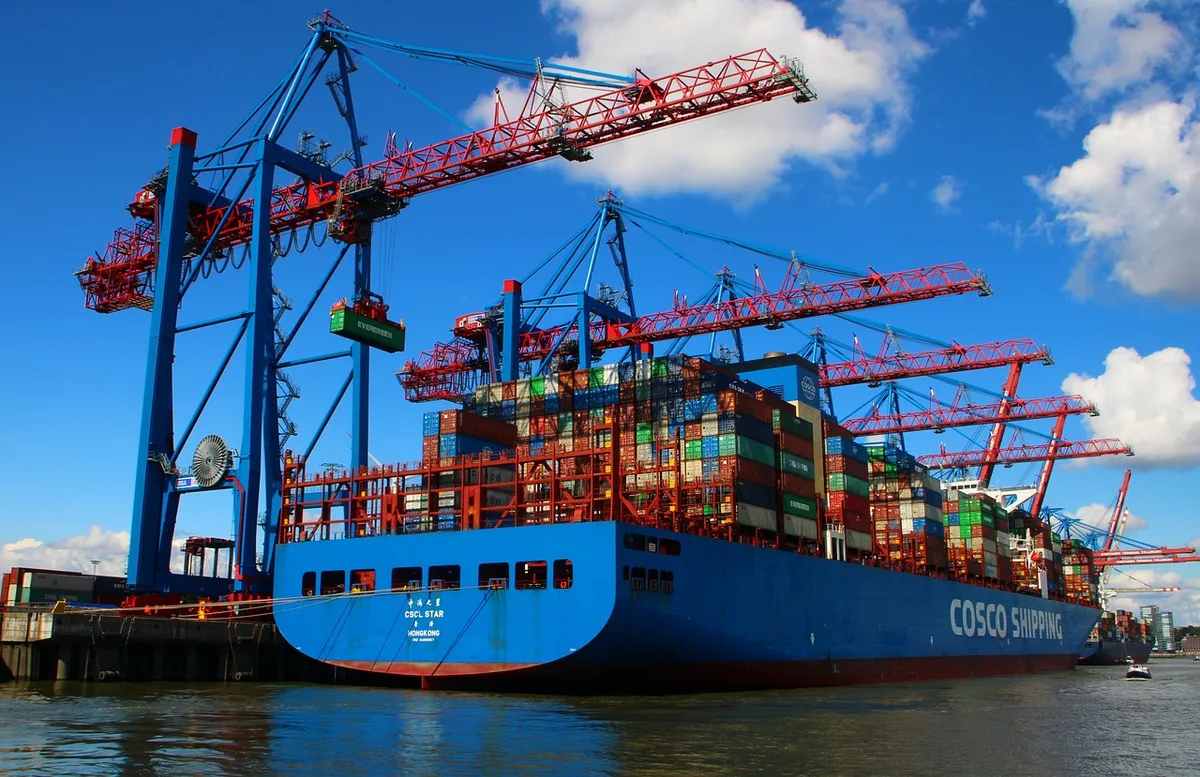
Image: Elchinator via Pixabay
Nothing takes effect before a January 25 hearing, but rates of up to 35% for Vietnam and 25% for India put trade talks back in focus.
By Emmanuel Cruz ·
The office of the US Trade Representative on Wednesday proposed new tariffs on 14 economies under Section 301 of the Trade Act of 1974, following an eight-month investigation into excess industrial capacity, according to Reuters [1]. The proposals would take effect only after a public hearing on January 25, which means the rates published this week are a starting point for negotiation rather than final policy [1].
The list covers China, Japan, the European Union, South Korea, Taiwan, Switzerland, Vietnam, India, Singapore, Cambodia, Indonesia, Malaysia, Thailand and Bangladesh [1]. For Japan, South Korea, Taiwan, the EU and Switzerland, the proposal keeps a 15 percent cap that includes existing duties, in line with trade deals reached over the past year [1]. Cambodia, Indonesia, Malaysia, Thailand and Bangladesh would face 18 percent, and Singapore 10 percent [1].
Several rates depend on negotiations. Vietnam would face 20 percent if it reaches a trade agreement and 35 percent if talks fail [1]. India would face 17 percent if a deal is finalized and 25 percent if not, according to PTI [2]. China's rate is capped at 20 percent under the current trade truce, which expires January 10, and would rise to 40 percent if the truce unravels [1]. Reuters described the proposed maximum rates as running from 20 percent to 40 percent [1].
The choice of Section 301 follows the Supreme Court's February decision striking down tariffs imposed under the International Emergency Economic Powers Act, and Reuters framed the new approach as placing the duties on firmer legal footing [1]. Mexico and Norway were left out of this round because the investigations covering them are still under way, Reuters reported, citing Trade Representative Jamieson Greer [1].
Greer said the new rates would not simply pile on top of existing ones. According to PTI, he described them as not really additive and more like a top-up to duties already in place, and said investors had already priced in much of the effect, noting that "a lot of this is baked in" [2]. Reuters reported that the new duties would not stack with separate forced-labor tariffs or with sector-specific Section 232 duties [1]. PTI reported that Greer expected the tariffs not to take effect for at least a couple of months [2].
The package also reaches beyond Asia and Europe. Reuters reported a proposed 10 percent tariff on finished aircraft from Brazil's Embraer and higher duties on Brazilian sugar above quota, with Greer saying talks with Brazil had made no meaningful progress [1]. Reaction was mixed: Senator Ron Wyden criticized the move, while a Chinese embassy spokesperson said industrial overcapacity does not exist, Reuters reported [1]. PTI noted that the USTR's India findings point to trade surpluses in pharmaceuticals, steel and information and communications technology goods [2].
For markets, the announcement landed as US exchanges were closed for Thanksgiving. The Associated Press reported that investors in Asia and Europe were weighing the latest tariff hikes Washington plans to impose on China, the European Union and other trading partners, even as shares broadly rose on Thursday [3]. S&P 500 futures were up 0.3 percent and Dow futures 0.2 percent in early trading, with US markets set to reopen Friday for a shortened session [3].
Several dates will shape the next phase. The January 10 expiry of the China truce comes before the January 25 hearing, and the gap between the conditional rates for India and Vietnam shows how much those countries stand to gain or lose from concluding deals [1][2]. Because the proposals are not final, the rates that eventually apply could differ from those announced this week.
Sources:
[1] The Korea Times (Reuters), "US proposes tariffs over excess production, retains 15% cap for Korea, Japan, EU", November 26, 2026. https://www.koreatimes.co.kr/world/20261126/us-proposes-tariffs-over-excess-production-retains-15-cap-for-korea-japan-eu
[2] DT Next (PTI), "US proposes 25% tariffs on Indian imports; 17% if trade deal inked", November 26, 2026. https://www.dtnext.in/news/business/us-proposes-25-tariffs-on-indian-imports-17-if-trade-deal-inked
[3] BNN Bloomberg (The Associated Press), "World shares push higher, while markets in U.S. will be closed for Thanksgiving", November 26, 2026. https://www.bnnbloomberg.ca/markets/2026/11/26/world-shares-push-higher-while-markets-in-us-will-be-closed-for-thanksgiving/
This article was produced with AI assistance. It is for informational purposes only and is not financial advice. StockVolt and its authors may hold positions in securities mentioned.