Energy
Hormuz Diplomacy Stalls as Trump Sends Mixed Signals on Iran and Qatar Seeks an Interim Shipping Deal
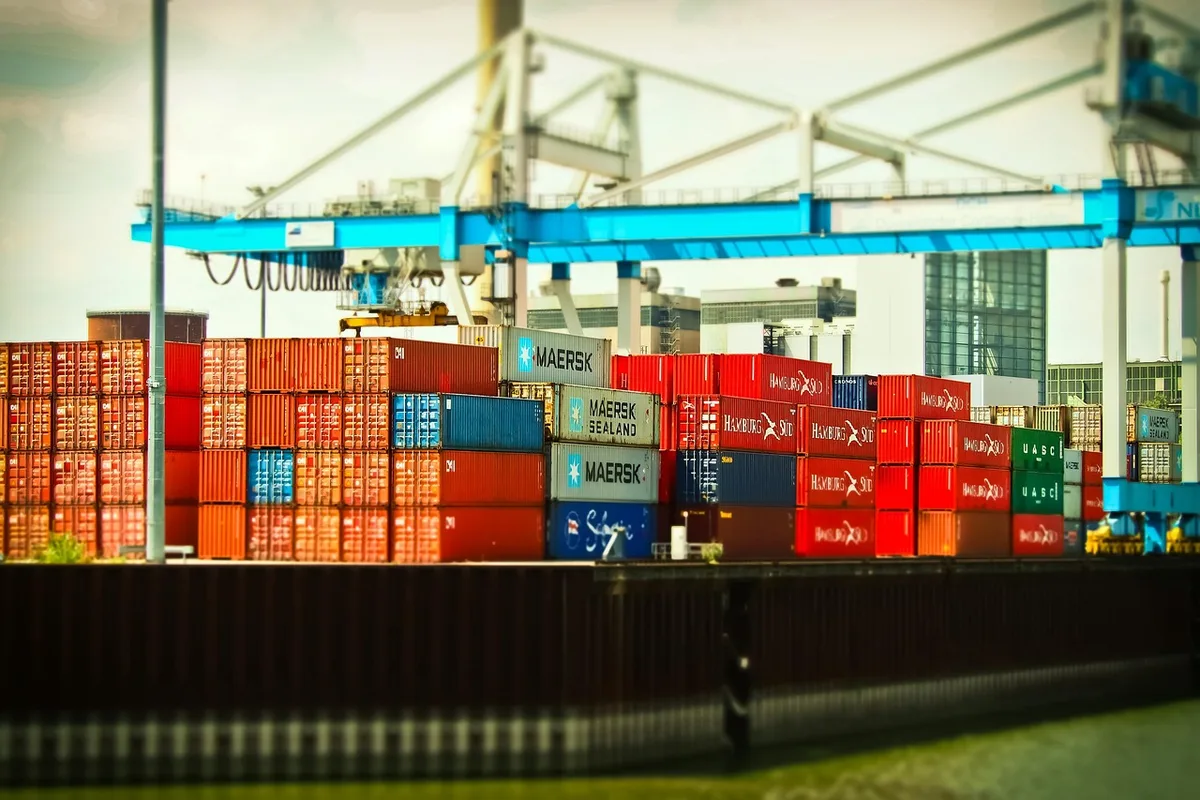
Image: 652234 via Pixabay
Washington says economic pressure may make new strikes unnecessary, while Tehran ties any nuclear talks to ceasefire conditions and the UN reports more ship incidents.
By Noris Ortiz ·
Diplomacy over the Iran war and the Strait of Hormuz is in a holding pattern as President Donald Trump gives conflicting signals about whether Washington wants a deal, according to an Associated Press report published on Saturday, Nov. 14 [1]. For energy markets, which have been trading on the risk of disrupted Gulf supplies for most of the year, the lack of a clear path matters as much as any single headline.
The AP said the conflict is about eight months old and that Republicans lost control of Congress in this month's midterm elections. Trump has said the war and its economic fallout were partly to blame for those losses but that launching it was the right decision [1]. Early in the week of Nov. 9, after meeting Qatar's prime minister, he said new major strikes were highly unlikely and that the war "militarily is effectively over" [1]. On Thursday he said the United States no longer needs a deal with Tehran and told Vice President JD Vance, his former chief negotiator, to concentrate on a domestic anti-fraud campaign, a post that followed a Wall Street Journal report that Vance was weighing a return to talks [1].
Secretary of State Marco Rubio has described the economic squeeze as so severe that military action may not be needed, while saying the administration remains open to a negotiated settlement [1]. The United States continues a monthslong naval blockade that is curbing Iranian crude exports, and Trump insists any agreement must resolve nuclear questions [1]. Iran International, citing the International Energy Agency and Iranian Oil Ministry figures, reported that Iran's crude output fell 46% from prewar levels to 1.86 million barrels a day in October [2].
Tehran's stated position is different. According to the AP, Iran will not negotiate over its nuclear program until Washington accepts several core ceasefire conditions, and its deputy U.N. ambassador told the Security Council that Iran has not closed the door to diplomacy but would respond immediately and decisively to any renewed U.S. or Israeli bombing [1].
Qatar is the main mediator. The AP reported that Doha is seeking an interim arrangement to restore Hormuz shipping while leaving room for broader U.S.-Iran talks, but two regional diplomats said Trump's mixed messages have left the effort in limbo [1]. Iran International, relaying an AP account, said the process is in a holding pattern [2].
Shipping incidents continue. The United Nations reported that October had the most incidents involving commercial vessels in the strait since February, and a U.N. official told the Security Council that attacks on civilian ships must end and safe navigation be restored [1][2]. Iran's navy said an oil tanker struck a mine and caught fire east of the strait after entering a restricted zone, a claim relayed by the IRGC-affiliated Fars agency that could not be independently verified [2].
The calendar adds more diplomacy. Trump travels to the Philippines and then to the APEC meetings in Shenzhen, China, next week, where the AP said he plans a three-way summit with Chinese President Xi Jinping and Russian President Vladimir Putin that is expected to touch on Iran [1]. Reuters, cited by Iran International, reported that Trump and the leaders of Japan, Australia and India are expected to discuss commercial shipping security and energy supplies in Manila on Tuesday [2].
Critics and analysts differ on the strategy. Democratic Sen. Cory Booker accused Trump of acting like an arsonist who has set U.S. foreign policy ablaze, while Michael Singh of the Washington Institute for Near East Policy said he expects a stalemate to persist and recommends patience and continued pressure [1].
What to watch next: whether Qatar's interim shipping proposal gains traction, further tanker incidents around Hormuz, the Manila and Shenzhen meetings, and any sign the blockade or the nuclear dispute is shifting. Crude and shipping-sensitive assets are likely to react to those developments when markets reopen on Monday.
Sources:
[1] Associated Press (via WSLS), "With shifting Iran rhetoric following US elections, Trump leaves Mideast in limbo about path ahead", November 14, 2026. https://www.wsls.com/news/politics/2026/11/14/with-shifting-iran-rhetoric-following-us-elections-trump-leaves-mideast-in-limbo-about-path-ahead/
[2] Iran International, "Live - Trump to raise Iran with Putin and Xi, Rubio warns of region held hostage", November 14, 2026. https://www.iranintl.com/en/liveblog/202611143682
This article was produced with AI assistance. It is for informational purposes only and is not financial advice. StockVolt and its authors may hold positions in securities mentioned.